Celebrating 40 Years of Excellence in Dental Care – Thank You for Your Continued Trust and Support!
Who Should Get Fluoride Treatments?
Posted on 1/1/2026 by Lakewood Dental Arts
Have you ever wondered about fluoride and if it's right for you or your family? Let's break down what fluoride treatments are all about and who benefits most from them. Understanding fluoride is key to making informed choices about your dental health. Fluoride treatments are a cornerstone of prevention dentistry.
What is Fluoride, Anyway?
Fluoride is a naturally occurring mineral that's found in water, soil, and even some foods. It’s like a superhero for your teeth! When fluoride comes into contact with your teeth, it helps to strengthen the enamel, which is the outer protective layer. Think of enamel as your tooth's personal bodyguard.
How Fluoride Protects Your Teeth
Every day, your teeth are under attack from acids. These acids come from the foods and drinks we consume, and they can weaken the enamel, leading to cavities. Fluoride helps to re-mineralize the enamel, essentially rebuilding and strengthening it. This makes your teeth more resistant to those nasty acids.
Who Benefits Most from Fluoride Treatments?
While fluoride is generally beneficial for everyone, certain individuals can see a significant boost in their oral care from fluoride treatments.
•
Children: Kids are prime candidates for fluoride treatments. Their teeth are still developing, making them more susceptible to decay. Fluoride helps to ensure their developing enamel is strong and resistant to cavities from the get-go.
•
Adults with a History of Cavities: If you've struggled with cavities in the past, fluoride treatments can act as a shield against future problems. They can help reverse early signs of decay and keep your smile healthy.
•
People with Dry Mouth: Saliva plays a vital role in neutralizing acids and washing away food particles. If you have dry mouth (xerostomia), you're more vulnerable to decay. Fluoride can help compensate for the lack of saliva's protective effects.
•
Individuals with Gum Recession: When gums recede, the roots of your teeth become exposed. These roots don't have enamel, making them softer and more prone to decay. Fluoride can help protect these exposed areas.
•
Orthodontic Patients: Braces can make it harder to clean your teeth properly, increasing the risk of cavities. Fluoride treatments can provide an extra layer of protection during orthodontic treatment.
Types of Fluoride Treatments
Fluoride treatments come in various forms. There are fluoride varnishes, gels, and foams. These are usually applied during a dental visit. In addition, many toothpastes and mouthwashes contain fluoride for daily protection.
Integrating Fluoride into Your Oral Care Routine
Beyond professional fluoride treatments, there are simple ways to incorporate fluoride into your daily oral care routine. Brushing twice a day with fluoride toothpaste is a great start. You might also consider using a fluoride mouthwash, especially if you are prone to cavities or have dry mouth.
Talking to Your Dental Professional
The best way to determine if fluoride treatments are right for you is to talk to your dentist. They can assess your individual needs and recommend the most appropriate course of action. Remember, everyone's dental health is unique, and a personalized approach is always best.
About Lakewood Dental Arts | Dentist Lakewood CA Our focus is helping our patients to maintain healthy and beautiful smiles while providing a comfortable and friendly environment with each visit. Call today! Lakewood Dental Arts, 5555 Del Amo Blvd, Lakewood, CA 90713-2307 • (562) 384-1091 • lakewooddentalarts.com • 8/29/2026 • Related Phrases: dentist Lakewood CA •


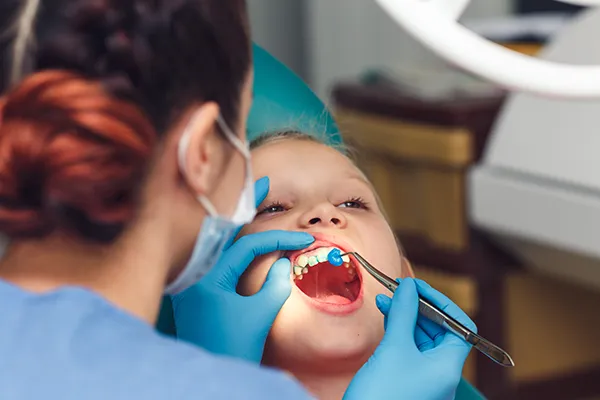 Have you ever wondered about fluoride and if it's right for you or your family? Let's break down what fluoride treatments are all about and who benefits most from them. Understanding fluoride is key to making informed choices about your dental health. Fluoride treatments are a cornerstone of prevention dentistry.