The Basic Steps of Getting a New Filling
Posted on 6/1/2026 by Lakewood Dental Arts |
 Have you ever wondered what happens when you get a dental filing? It's a common procedure, and understanding the steps can make you feel more comfortable. This guide will walk you through the process, from start to finish, so you know what to expect. Have you ever wondered what happens when you get a dental filing? It's a common procedure, and understanding the steps can make you feel more comfortable. This guide will walk you through the process, from start to finish, so you know what to expect.
Understanding the Need for a Filling
Sometimes, despite our best efforts with oral care, cavities can form on our teeth. Cavities are caused by bacteria that eat away at the tooth's enamel, creating a hole. If left untreated, these holes can grow and cause pain, infection, and even tooth loss. A filling is a way to repair the tooth and prevent further damage. Think of it like patching a hole in a wall – it restores the tooth's shape and function. This is a key aspect of restoration dentistry.
The First Step: Examination and Diagnosis
Before anything else happens, your dentist will examine your teeth. This usually involves a visual inspection, using a small mirror to see all surfaces. They may also take X-rays. X-rays allow the dentist to see areas that aren't visible to the naked eye, like between teeth or under existing fillings. This helps them determine the size and location of any cavities.
Numbing the Area
Once the dentist has identified a cavity that needs a filling, the next step is to numb the area around the tooth. This ensures that you won't feel any pain during the procedure. The dentist will use a topical anesthetic (a gel or liquid) to numb the surface of your gums before injecting a local anesthetic. You might feel a slight pinch or pressure during the injection, but it should be quick and relatively painless. It takes a few minutes for the anesthetic to fully take effect.
Removing the Decay
After the area is numb, the dentist will use a drill or laser to remove the decayed portion of the tooth. The goal is to eliminate all the bacteria and damaged tooth structure, creating a clean surface for the filling to bond to. You might feel some vibration or pressure during this process, but you shouldn't feel any pain.
Preparing the Tooth
Once the decay is removed, the dentist will prepare the tooth for the filling. This might involve shaping the cavity to create a better surface for the filling material to adhere to. They may also use a special acid etch to roughen the enamel, further improving the bond between the tooth and the filling.
Placing the Filling
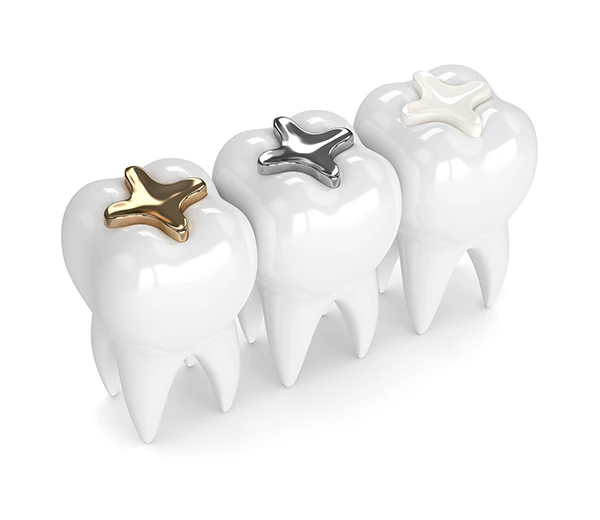
Now it's time to place the filling material. There are several types of filling materials available, each with its own advantages and disadvantages. Your dentist will discuss the best option for your specific situation. The filling material is carefully placed into the prepared cavity, layer by layer.
Shaping and Polishing
After the filling is in place, the dentist will shape it to match the natural contours of your tooth. They'll make sure it doesn't interfere with your bite or cause any discomfort. Finally, the filling is polished to create a smooth, natural-looking surface.
Checking Your Bite
The last step is to check your bite. The dentist will have you bite down on a piece of articulating paper, which leaves colored marks on the filling. This helps them identify any areas that are too high and need to be adjusted. The goal is to ensure that your bite feels comfortable and natural.
Post-Procedure Care
After getting a filling, it's normal to experience some sensitivity to hot or cold for a few days. This usually resolves on its own. Continue your regular oral care routine, including brushing and flossing, to keep your teeth and gums healthy. With proper care, your new filling can last for many years. |
|