Can You Reverse Tooth Decay?
Posted on 12/1/2025 by Lakewood Dental Arts |
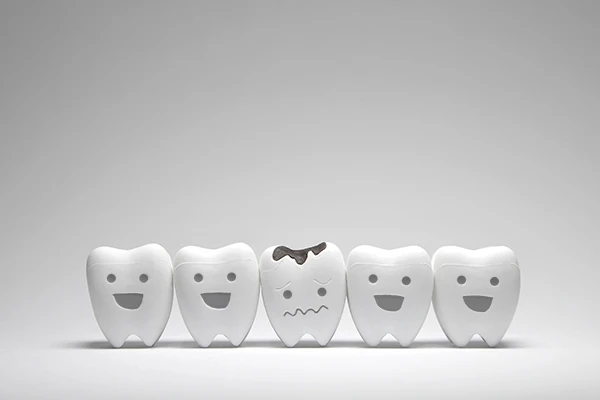 Tooth decay, also known as cavities, is a common problem that affects people of all ages. Understanding what causes it and whether it can be reversed is crucial for maintaining a healthy smile. Let's explore the facts about tooth decay and what you can do to protect your teeth. Tooth decay, also known as cavities, is a common problem that affects people of all ages. Understanding what causes it and whether it can be reversed is crucial for maintaining a healthy smile. Let's explore the facts about tooth decay and what you can do to protect your teeth.
What is Tooth Decay?
Tooth decay happens when acids in your mouth wear away the hard outer layer of your teeth, called enamel. These acids are produced by bacteria that feed on sugars and carbohydrates left behind after eating and drinking. Over time, this acid attack can create holes in your teeth, which we call cavities. If left untreated, tooth decay can lead to pain, infection, and even tooth loss.
The Early Stages of Tooth Decay
In the very early stages, tooth decay might appear as a white spot on the tooth enamel. This is a sign that minerals are being lost from the enamel. At this point, the process is potentially reversible. With proper oral care, the enamel can remineralize, essentially healing itself.
Can You Really Reverse It?
The ability to reverse tooth decay largely depends on how far the process has progressed. In the initial stages, when only the enamel is affected, it's possible to remineralize the tooth. This means that minerals like fluoride, calcium, and phosphate are redeposited into the enamel, strengthening it and repairing the damage.
However, once the decay has penetrated through the enamel and into the dentin (the layer beneath the enamel), it's generally considered irreversible. At this point, professional dental treatment is needed to remove the decay and restore the tooth.
How to Help Remineralize Your Teeth
Several things can help promote remineralization and potentially reverse early tooth decay:
| • |
Fluoride: Fluoride is a mineral that strengthens tooth enamel and helps protect it from acid attacks. You can get fluoride from toothpaste, mouthwash, and professional fluoride treatments at the dental office. |
| • |
Good Oral Hygiene: Brushing your teeth twice a day with fluoride toothpaste and flossing daily removes plaque and bacteria, reducing the production of acids that cause decay. |
| • |
Diet: Limiting sugary and acidic foods and drinks is essential. These substances fuel the bacteria that cause tooth decay. |
| • |
Saliva: Saliva helps neutralize acids in the mouth and contains minerals that can help remineralize teeth. Chewing sugar-free gum can stimulate saliva flow. |
What if Decay is Advanced?
If tooth decay has progressed beyond the early stages, it will require professional dental intervention. Restoration dentistry includes procedures designed to remove the decayed portion of the tooth and restore its function and appearance. These options help prevent further damage and alleviate any pain or discomfort.
Prevention is Key
While early tooth decay can sometimes be reversed, prevention is always the best approach. Regular dental check-ups and cleanings allow your dentist to detect and address problems early on, before they become more serious. Maintaining good oral care habits at home, including brushing, flossing, and a healthy diet, is also crucial for preventing tooth decay and maintaining a healthy smile for years to come. |
|