What it Means When You Suffer From an Impacted Tooth
Posted on 3/2/2026 by Lakewood Dental Arts |
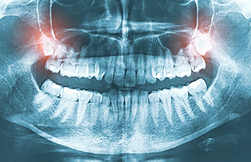 Have you ever heard the term "impacted tooth" and wondered what it actually means? Essentially, it describes a tooth that's stuck and unable to erupt fully into its proper position in your mouth. It's like a car stuck in the mud – it's there, but it can't move forward. Let's dive into what causes this and what it means for your oral health. Have you ever heard the term "impacted tooth" and wondered what it actually means? Essentially, it describes a tooth that's stuck and unable to erupt fully into its proper position in your mouth. It's like a car stuck in the mud – it's there, but it can't move forward. Let's dive into what causes this and what it means for your oral health.
What Causes an Impacted Tooth?
Several factors can lead to a tooth becoming impacted. Sometimes, there simply isn't enough room in the jaw for all the teeth to fit comfortably. This is especially common with wisdom teeth, which are the last teeth to erupt, usually in our late teens or early twenties. Crowding can block the path of a tooth, preventing it from coming in correctly.
Other times, the tooth might be angled in the wrong direction. Instead of growing straight up, it might be tilted sideways or even lying horizontally. This makes it impossible for the tooth to break through the gum tissue normally. Genetic factors, cysts, or even tumors can also play a role in causing impaction.
Common Symptoms of an Impacted Tooth
Not everyone experiences noticeable symptoms with an impacted tooth. However, some common signs include:
| • |
Pain and tenderness in the jaw, especially near the back of your mouth. |
| • |
Swelling of the gums around the affected area. |
| • |
Difficulty opening your mouth fully. |
| • |
Bad breath or a bad taste in your mouth. |
| • |
Headaches or jaw aches. |
| • |
Pain when chewing or biting. |
| • |
Sometimes, an impacted tooth can even push on neighboring teeth, causing them to shift out of alignment. |
If you experience any of these symptoms, it's important to consult with your dentist for a thorough evaluation.
Why Impacted Teeth Need Attention
Leaving an impacted tooth untreated can lead to several oral health problems. Since the tooth is partially or fully covered by gum tissue, it can be difficult to keep the area clean. This creates a breeding ground for bacteria, increasing the risk of infection, gum disease, and even tooth decay in the impacted tooth and surrounding teeth.
Another potential problem is the formation of cysts or tumors around the impacted tooth. These growths can damage the jawbone and surrounding tissues. Impacted teeth can also put pressure on adjacent teeth, leading to crowding, misalignment, and damage to the roots of other teeth.
Addressing Impacted Teeth
The approach to managing an impacted tooth depends on various factors, including the tooth's position, the patient's symptoms, and the potential for future complications. In some cases, if the tooth is not causing any problems and there's no risk of future issues, your dentist may recommend monitoring it with regular checkups and X-rays.
However, in many cases, removing the impacted tooth is the best course of action. The extraction procedure is typically performed by an oral surgeon. During the procedure, the surgeon makes an incision in the gum tissue to access the tooth. They may need to remove some bone to fully expose the tooth before carefully extracting it.
Oral Care After Extraction
Following the extraction, proper oral care is crucial for promoting healing and preventing complications. Your dentist or oral surgeon will provide you with specific instructions, which may include:
| • |
Taking pain medication as prescribed. |
| • |
Applying ice packs to reduce swelling. |
| • |
Eating soft foods. |
| • |
Avoiding strenuous activities. |
| • |
Gently rinsing your mouth with saltwater. |
| • |
Maintaining good oral hygiene by brushing and flossing carefully around the extraction site. |
The Role of Restoration Dentistry
While extraction is sometimes necessary, restoration dentistry comes into play when dealing with the consequences of impacted teeth, such as misalignment or damage to adjacent teeth. Treatments like orthodontics (braces) can help correct any shifting or crowding caused by the impacted tooth. Additionally, restorative procedures like crowns or fillings may be needed to repair any damage to neighboring teeth.
Understanding what it means to have an impacted tooth and seeking timely dental care are vital for maintaining good oral health and preventing potential complications. |
|