Visiting the Oral Surgeon after an Uncomplicated Crown Fracture
Posted on 11/2/2026 by Lakewood Dental Arts |
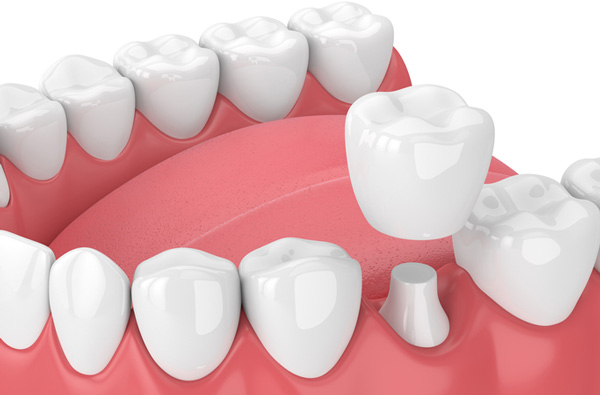 Breaking a tooth can be a stressful experience, but understanding what happens next can ease your worries. If you've suffered an uncomplicated crown fracture – meaning the break is limited to the visible part of your tooth above the gum line and doesn't involve the nerve – you might be referred to an oral surgeon. Let's explore why that might happen and what to expect.
Why an Oral Surgeon?
Even though the crown fracture might seem straightforward, oral surgeons have specialized training that can be incredibly valuable. They're experts in the hard and soft tissues of the mouth, meaning they can assess the damage and plan the best course of action with precision. Think of it this way: your general dentist is like your family doctor, and the oral surgeon is like a specialist they might call in for a complex case.
Your general dentist may refer you to an oral surgeon for a few reasons:
| • |
Complex Evaluation: Oral surgeons are equipped with advanced imaging technology and have the expertise to interpret it. This helps them determine if there are any hidden fractures or underlying issues that might not be immediately visible. |
| • |
Specialized Procedures: While a general dentist can often handle simple restoration dentistry, more intricate cases might require the skills of an oral surgeon. This could involve procedures to smooth the fractured tooth, prepare the area for a crown, or even assess the need for a root canal. |
| • |
Ensuring Optimal Healing: Oral surgeons are highly trained in managing potential complications, such as infection or damage to surrounding tissues. Their involvement can help ensure the best possible outcome and a smooth healing process. |
What to Expect During Your Visit
Your first visit with the oral surgeon will typically involve a comprehensive examination. This will likely include:
| • |
Medical History Review: The surgeon will ask about your overall health, any medications you're taking, and any allergies you have. This information is crucial for planning your treatment. |
| • |
Clinical Examination: The surgeon will carefully examine the crown fracture, assessing its size, location, and proximity to the nerve. They'll also check the surrounding tissues for any signs of damage or infection. |
| • |
Imaging: X-rays, or possibly a cone-beam CT scan, may be taken to get a detailed view of the tooth and surrounding bone. This helps the surgeon identify any hidden fractures or other issues. |
| • |
Treatment Plan Discussion: Based on the examination and imaging, the surgeon will develop a treatment plan tailored to your specific needs. They'll explain the different options available, the risks and benefits of each, and answer any questions you have. |
The Road to Recovery
Following your consultation, the oral surgeon will work closely with your general dentist to coordinate your restoration dentistry treatment. Depending on the severity of the crown fracture, this could involve:
| • |
Smoothing and Polishing: In some cases, the fractured edge can be smoothed and polished to prevent irritation and improve aesthetics. |
| • |
Crown Preparation: If a crown is needed, the surgeon may prepare the tooth by removing any damaged enamel and shaping it to receive the crown. |
| • |
Root Canal Assessment: In rare cases, a crown fracture can damage the nerve of the tooth, requiring a root canal. The oral surgeon can assess the need for this procedure. |
Maintaining Good Oral Care
Regardless of the treatment you receive, maintaining excellent oral care is essential for a successful outcome. This includes:
| • |
Brushing Twice Daily: Use a soft-bristled toothbrush and fluoride toothpaste to gently clean your teeth. |
| • |
Flossing Daily: Floss between your teeth to remove plaque and food particles. |
| • |
Avoiding Hard Foods: Until your tooth is fully restored, avoid chewing on hard foods that could further damage it. |
| • |
Following Post-Operative Instructions: If you undergo any procedures, carefully follow the surgeon's instructions for aftercare. |
By understanding the role of the oral surgeon and taking good care of your teeth, you can ensure a successful recovery after a crown fracture and maintain a healthy, beautiful smile.
|
|