| Celebrating 40 Years of Excellence in Dental Care – Thank You for Your Continued Trust and Support! |
Cracked or Chipped Tooth Repair Lakewood, CA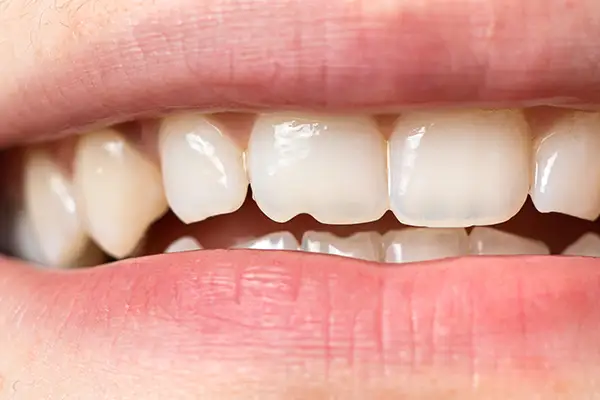 Many patients are surprised to learn that a chipped tooth didn't come from an obvious injury at all, but from something happening quietly while they sleep. Bruxism, the medical term for grinding and clenching the teeth, is one of the most common yet overlooked causes of chipped and worn teeth. Because it usually occurs during sleep, many patients don't realize they're doing it until one of our cosmetic dentists points out the signs during a routine exam at Lakewood Dental Arts. Many patients are surprised to learn that a chipped tooth didn't come from an obvious injury at all, but from something happening quietly while they sleep. Bruxism, the medical term for grinding and clenching the teeth, is one of the most common yet overlooked causes of chipped and worn teeth. Because it usually occurs during sleep, many patients don't realize they're doing it until one of our cosmetic dentists points out the signs during a routine exam at Lakewood Dental Arts.
What Bruxism Actually Does to Your TeethTeeth grinding puts far more force on your teeth than normal chewing does. While chewing forces are naturally limited by your body's own feedback signals, grinding the teeth during sleep bypasses those signals, allowing far greater pressure to build between the upper and lower teeth. Over months and years, this repetitive stress can wear down enamel, create small chips along biting edges, and in more severe cases, cause deeper cracks or fractures, particularly in teeth that already have fillings or other structural weaknesses. The damage from bruxism tends to accumulate gradually rather than happening all at once, which is part of why it can catch patients off guard when a chip finally appears. A tooth that has been quietly weakened over years of grinding and clenching the teeth can chip from something as ordinary as biting into a sandwich or a piece of fruit. Common Signs You Might Be Grinding Your TeethBecause bruxism often happens during sleep, many people only discover it through secondary signs rather than catching themselves in the act. Symptoms may include:
Some patients also notice small chips accumulating along the edges of their front teeth over time, even without remembering any specific injury that would explain them. Why Teeth Grinding Often Goes Unnoticed for YearsUnlike a sports injury or a fall, bruxism doesn't announce itself with a single dramatic moment. Instead, it operates in the background, often during the deepest stages of sleep when a person has no awareness of what their jaw is doing. Stress and anxiety are frequently linked to increased teeth grinding, and some patients notice more symptoms during particularly demanding periods at work or in their personal lives. Certain medications and lifestyle factors, such as caffeine or alcohol consumption, have also been associated with more frequent teeth grinding episodes. Because the wear happens slowly, patients often attribute the resulting sensitivity or chips to aging or general wear and tear, without connecting it back to a nightly habit they aren't even aware of. This is often where a routine dental exam plays an important role, since a dentist trained to spot the patterns of bruxism-related wear can catch it well before it results in a significant chip or fracture. How Dentists Identify BruxismDuring a regular checkup, your dentist looks for specific patterns of wear that distinguish grinding-related damage from other causes. Flattened cusps, especially on the back molars, are a common indicator, as is wear that appears symmetrical across the left and right sides of the mouth. Small chips clustered along the edges of the front teeth, without any reported injury to explain them, can also point toward teeth grinding as the underlying cause. In some cases, a dentist may also notice a slightly enlarged jaw muscle from repeated clenching, which patients can sometimes feel themselves when they press along the sides of their face. Protecting Your Teeth From Further DamageThe most common and effective way to protect against bruxism-related chipping is a custom nightguard, a thin, precisely fitted appliance worn during sleep. Unlike a store-bought option, a custom nightguard is molded specifically to your bite, distributing grinding forces evenly across your teeth rather than concentrating pressure on a few vulnerable spots. This significantly reduces the wear and chipping that would otherwise accumulate over time. Addressing underlying contributors, such as stress management techniques or adjustments to caffeine and alcohol intake in the evening, can also help reduce the frequency and intensity of teeth grinding episodes. For some patients, working with a physician on broader treatment for stress or sleep quality provides additional benefit alongside a nightguard. If chips have already occurred, they can typically be repaired with dental bonding or a crown depending on severity, but protecting the tooth going forward with a nightguard is essential to prevent the same damage from happening again to the same tooth or its neighbors. Bruxism in Children Versus AdultsWhile bruxism is often discussed as an adult issue, it's also common in children, particularly during the years when baby teeth are being replaced by permanent ones. Childhood teeth grinding often resolves on its own as the jaw develops and bite alignment settles, and it typically causes less concern unless it's paired with pain or visible wear on permanent teeth. Adult bruxism, on the other hand, tends to be more persistent and is more likely to require an ongoing management approach, since permanent teeth don't have the same natural replacement cycle that protects baby teeth from long-term wear. Parents who notice teeth grinding sounds from a child at night should mention it during routine dental visits, since a dentist can monitor whether the pattern is a normal developmental phase or something that warrants closer attention. For adults, persistent teeth grinding rarely resolves without some form of intervention, which is why a nightguard tends to be a long-term part of protecting the teeth rather than a temporary fix. Getting Fitted for a NightguardGetting a custom nightguard typically requires only one or two visits. Your dentist takes an impression or digital scan, which is sent to a lab to fabricate a guard sized precisely to your bite. Once ready, you'll return for a fitting to confirm it sits comfortably, with minor adjustments made on the spot. Most patients adjust within a week or two, and many notice less morning jaw soreness. Schedule an Appointment with Our Lakewood DentistsIf you're waking up with jaw soreness, noticing new chips, or suspect you may be grinding your teeth at night, our team at Lakewood Dental Arts can evaluate your teeth and discuss whether a custom nightguard is right for you. Call (562) 384-1091 to schedule an appointment. |
Contact Us |