| Celebrating 40 Years of Excellence in Dental Care – Thank You for Your Continued Trust and Support! |
Types of Dental Implants Lakewood, CA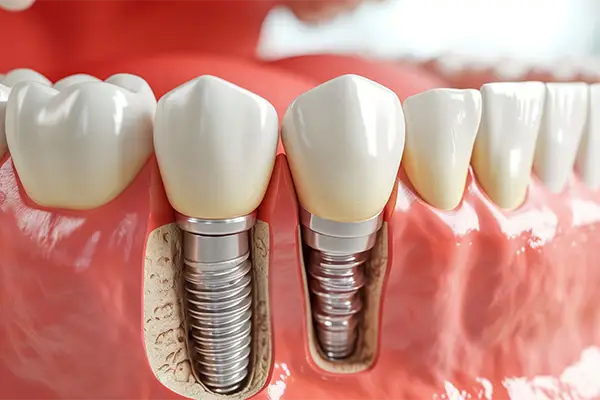 A missing tooth can change more than your appearance. It can affect how you chew, speak, and maintain the health of surrounding teeth. Dental implants offer a reliable way to restore function and aesthetics, but not every solution looks the same. Different types of implants are designed to meet different needs, depending on how many teeth are missing and the condition of the jawbone. A missing tooth can change more than your appearance. It can affect how you chew, speak, and maintain the health of surrounding teeth. Dental implants offer a reliable way to restore function and aesthetics, but not every solution looks the same. Different types of implants are designed to meet different needs, depending on how many teeth are missing and the condition of the jawbone.Understanding Dental Implants: What Are Your Options?Dental implants are small, biocompatible posts that are placed into the jawbone to support replacement teeth. Over time, the implant integrates with the bone, creating a stable foundation for a crown, bridge, or denture. This stability helps preserve bone structure and keeps surrounding teeth from shifting. There are two primary categories of dental implants based on placement:
Most patients receive endosteal implants because they offer strong support and long-term durability. Subperiosteal implants are less common today but may still be considered in specific situations where traditional placement is not ideal. Your treatment plan is determined by several factors, including bone density, oral health, and the number of teeth that need to be replaced. Our experienced implant dentists will evaluate these details to recommend the most appropriate option. Single-Tooth Implants Vs. Multiple Tooth ImplantsThe number of missing teeth plays a major role in determining the type of implant restoration used. While the implant itself serves as the foundation, the restoration placed on top varies based on your needs. A single-tooth implant is designed to replace one missing tooth without affecting neighboring teeth. A custom crown is attached to the implant, restoring both appearance and function. This option helps maintain spacing and prevents nearby teeth from shifting out of alignment. When multiple teeth are missing, there are a few different approaches:
Implant-supported bridges and dentures are often recommended when several teeth in a row are missing. These options reduce the need for placing an implant for every single tooth while still offering excellent stability. Compared to traditional dentures, implant-supported options stay firmly in place, reducing movement during eating or speaking. Choosing between these solutions depends on your oral health, the number of missing teeth, and your long-term goals for function and comfort. Advanced Implant TechniquesAdvancements in implant dentistry have made it possible to restore smiles more efficiently and with fewer procedures in some cases. Two commonly used techniques include All-on-4 and mini-implants. The All-on-4 system is designed for patients missing most or all of their teeth in an arch. Instead of placing an implant for each missing tooth, four strategically positioned implants support a full set of replacement teeth. This approach maximizes existing bone structure and often reduces the need for bone grafting. Many patients appreciate the stability and convenience this method provides, along with a more streamlined treatment timeline. Mini-implants are smaller in diameter than traditional implants and are often used in situations where bone density is limited. They may be recommended to stabilize dentures or replace smaller teeth. Because of their size, placement can sometimes be less invasive, making them a practical option for certain patients who may not be candidates for standard implants. Both of these techniques expand the possibilities for patients who may have been told in the past that implants were not an option. A thorough evaluation helps determine whether these advanced solutions are appropriate based on your anatomy and goals. Dental implant FAQ discussions often highlight the flexibility of these treatments. From replacing a single tooth to restoring a full arch, modern implant options are designed to meet a wide range of needs while supporting long-term oral health. Each type of implant serves a specific purpose, and the right choice depends on a careful assessment of your smile. By understanding the available options, Lakewood Dental Arts patients can feel more confident moving forward with a solution that restores comfort, function, and appearance. Call us today at (562) 384-1091 if you had additional questions about the different types of dental implants. |
Contact Us |